Display glass that still sells
Storefront Window Film for Miami Shops, Galleries and Restaurants
A Miami storefront has to show the merchandise to the street and also keep the sun off it. Storefront window film takes care of the sun while the display stays easy to see from the sidewalk and from passing cars.
 Miami
Storefront Sun Problems on Miami Retail Streets
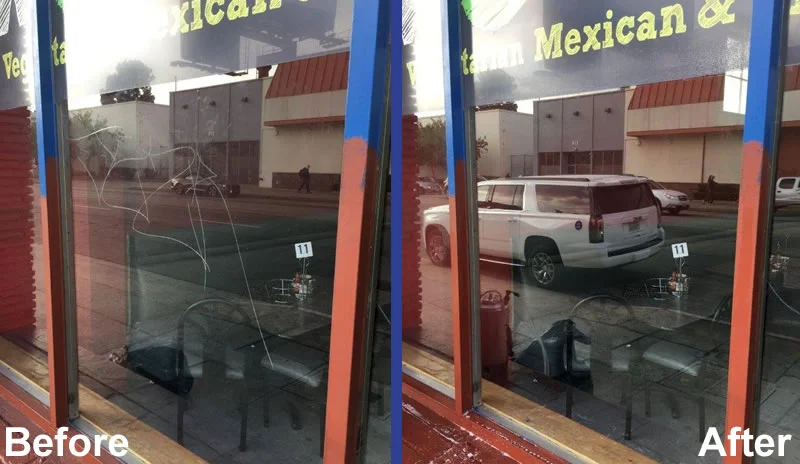
Retail glass in Miami takes strong sun nearly every day. Boutiques in the Design District, shops on Lincoln Road and Collins Avenue, restaurants along Calle Ocho and storefronts on Miracle Mile all face the same issues. Merchandise in the window fades, staff near the door work in heat, and customers squint at screens and menus. In galleries, artwork near the front glass is at risk too.
Awnings help on some streets, but many modern storefronts are full-height glass with nothing overhead. West- and south-facing units feel it most in the afternoon. Restaurants with patio-facing glass get both direct sun and reflected light off sidewalks and parked cars.
Storefront Window Film That Keeps Displays Visible
The key for retail is visibility. Storefront film needs to stay clear enough that a shopper can see the display from the sidewalk and a driver can read the window from the street. Clear UV films block nearly all ultraviolet without changing how the glass looks. Light spectrally selective films add heat rejection while staying close to clear.
Darker and reflective films reduce heat and glare more, but they make the store look closed from outside during the day. We generally avoid them on display glass and reserve them for side windows, back offices or upper transoms. Some landlords and shopping centers also have rules on how storefront glass must look, so we check those before ordering.
Storefront Film for Miami Galleries and Luxury Retail
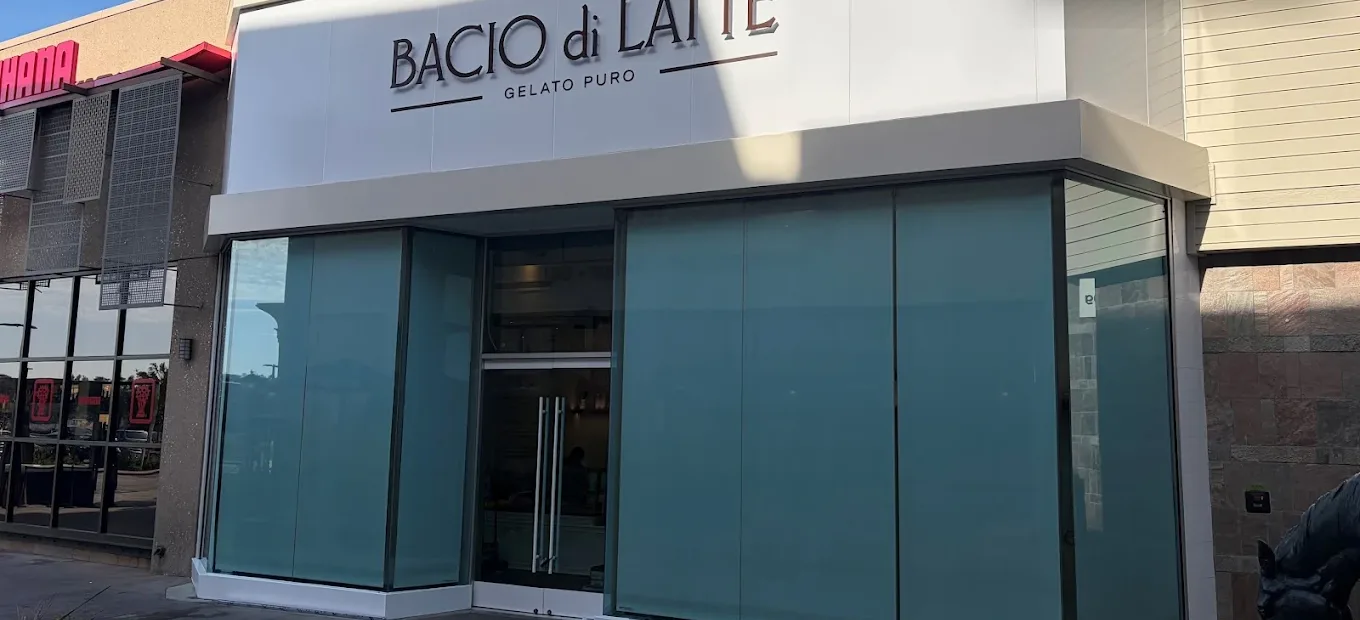
Miami's gallery and luxury retail districts have special needs. In Wynwood and the Design District, art and high-end merchandise sit close to the glass and are expensive to replace when faded. Clear UV film is the base layer. For spaces with severe sun, a light solar film adds heat control without visibly tinting the windows.
Many of these stores also change their look often. Decorative and graphic films for seasonal displays, privacy for fitting rooms that back onto a window, and logo film on the door can all go up and come down without damaging the glass. That fits retail leases where tenants rotate or remodel on short cycles.
- Clear UV film for art and merchandise
- Light solar film for sunny display windows
- Frosted film for fitting rooms and back offices
- Logo and graphic film for doors and transoms
Installing Storefront Window Film Around Store Hours
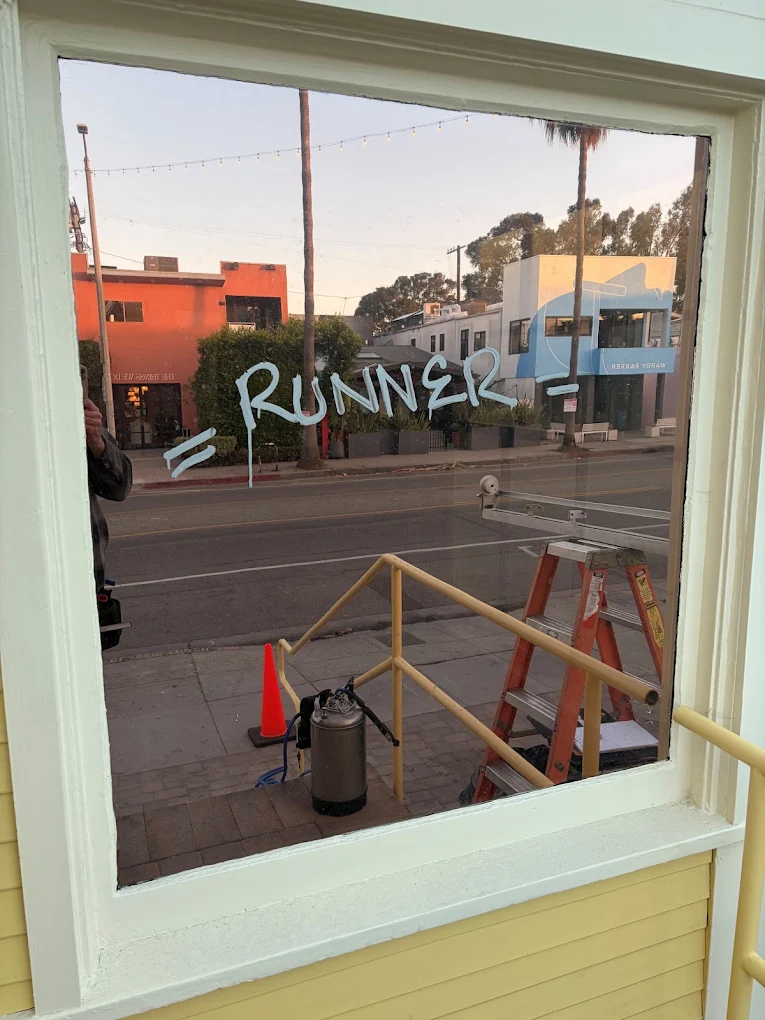
Retail installs happen when the store is closed. We work early mornings, after closing or on the day a store is dark, and we move and protect displays near the glass. Most storefronts are finished in a single session, so the store opens on schedule with the film in place.
Shopping center tenants usually need landlord approval and a certificate of insurance before work begins, and some centers restrict contractor hours. We handle the paperwork and schedule around those rules. Film cures over the following days. Staff and window cleaners should leave the glass alone during that time.
Retail calendars matter too. Most shops prefer film to go on before the busy winter season, when visitors fill Miami Beach and the Design District, rather than in the middle of it. Restaurants often pick a Monday or whatever night they are dark. We plan around those dates and give the manager a clear window for when the glass will be ready to clean again.
Storefront Window Film Benefits on Miami Shopping Streets
Storefront Film Slows Merchandise Fading
Blocking nearly all ultraviolet slows the color loss on clothing, packaging, furniture and art in sunny display windows, so stock lasts longer before it looks shop-worn.
Cooler Sales Floors Near the Glass
Light solar film cuts heat at the front of the store, so staff at the register and customers browsing near the window stay comfortable and the AC is not working overtime.
Clear Storefront Glass From the Sidewalk
Clear and lightly tinted films keep displays easy to see, so the store looks open and inviting from the street instead of dark or mirrored.
Less Glare on Screens and Menus
Lower brightness at the glass helps customers read menu boards, point-of-sale screens and digital displays near the window during the brightest hours.
Storefront Film Questions From Miami Retailers
Will storefront film make my Design District shop look closed?
Not with clear or light films. Those keep the display visible while blocking UV and some heat. Darker and reflective films can make a store look closed, so we generally avoid them on display glass.
Does a Lincoln Road or Miracle Mile landlord have to approve storefront film?
In most cases. Leases and center rules commonly govern how the storefront looks. We put together product data and a sample for the landlord's file.
Can film be installed without closing the store?
Yes. We work before opening, after closing or on days the store is closed, so customers never see the work.
Does storefront film protect against break-ins?
Standard solar and UV films do not add much strength. If break-ins are a concern, security film or a combination product is the better choice.
How long does storefront film last?
Interior storefront film lasts many years. Exterior films wear faster under sun and salt air. The film maker's commercial warranty states the term.
Window film quote
Storefront Window Film Pricing in Miami
Share the store address, which way the front faces and rough glass sizes, plus photos of the displays. The quote form or email gets you film options and pricing.
Prefer email? info@windowfilmmiami.pro