
Cut the afternoon heat
Heat Control Window Film for Miami Homes and Condos
In Miami, the hottest room in a home is almost always the one with the most glass facing the sun. Heat control window film cuts the solar energy coming through those panes so the room stops fighting the air conditioner.
 Miami
Where Solar Heat Comes Through Miami Windows
Sunlight carries heat in three bands: visible light, infrared and ultraviolet. Once it passes through clear glass, it warms whatever it lands on, and that warm floor or sofa then heats the room. In Miami, that happens on sunny days in January as well as August. The difference is that summer adds humidity, so the AC is already busy pulling moisture out of the air.
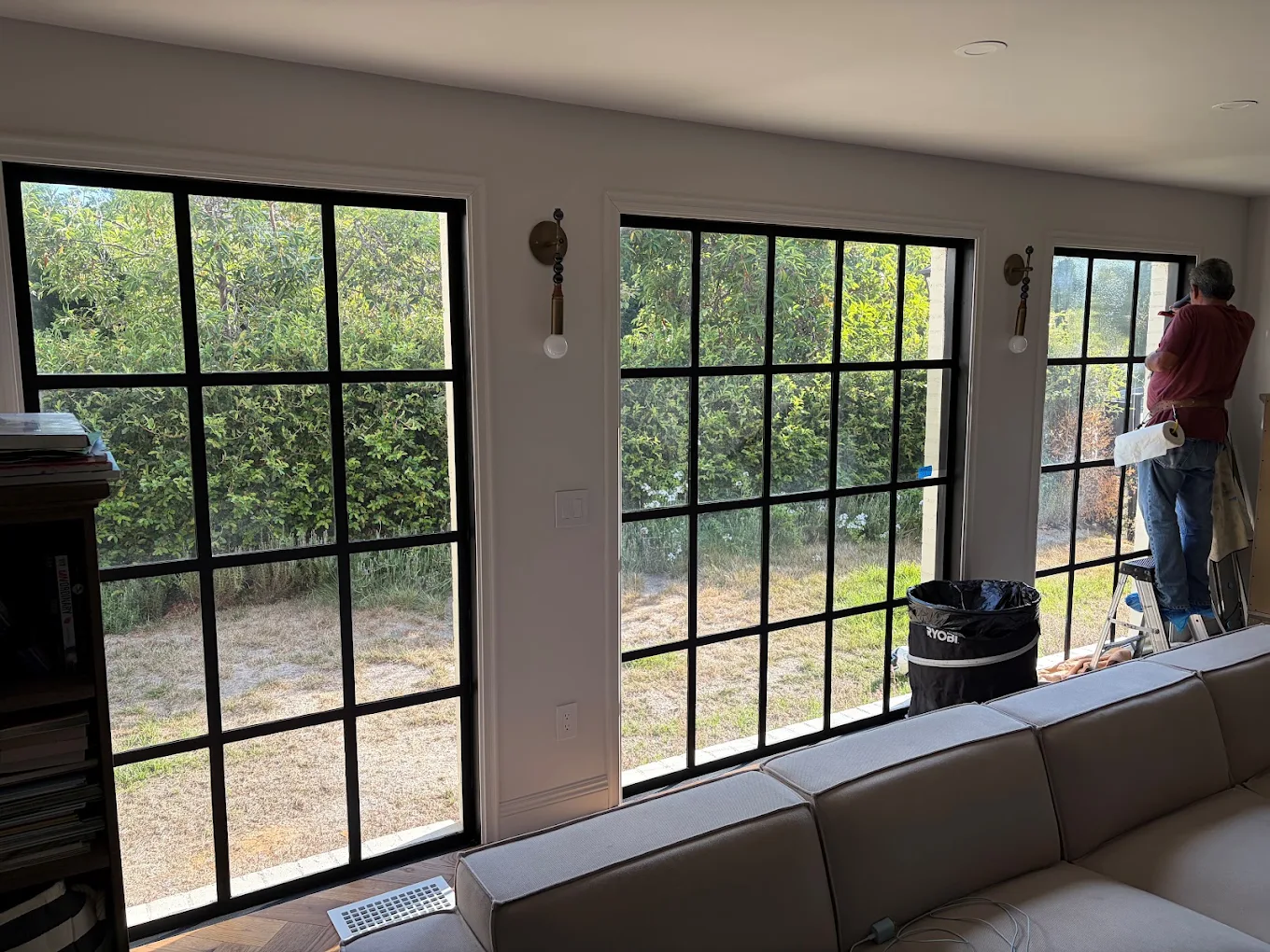
The worst windows are predictable. West glass takes the low afternoon sun straight in. East glass does the same in the morning. Big sliders to a patio or pool deck often face one of those directions. In condo towers along Biscayne Bay, a unit can have a wall of glass with no shade at all, and the heat builds until the sun moves off the facade.
Heat Control Window Film Options for Miami Glass
Spectrally selective films are the most common choice in Miami homes and condos. They are built to turn away much of the invisible infrared while passing most visible light, so from inside and out they read as nearly clear glass. That makes them the easiest option to get past a condo board and the best one for keeping bay or ocean views sharp.
Reflective films reject more heat but have a mirror-like look from outside during the day and can show some reflection inside at night. They suit a west wall that faces a parking lot more than a front facade. Dual-reflective films soften the interior reflection. We bring samples of each and put them on your glass during the hot part of the day.
Heat Control Film on Insulated and Impact Glass
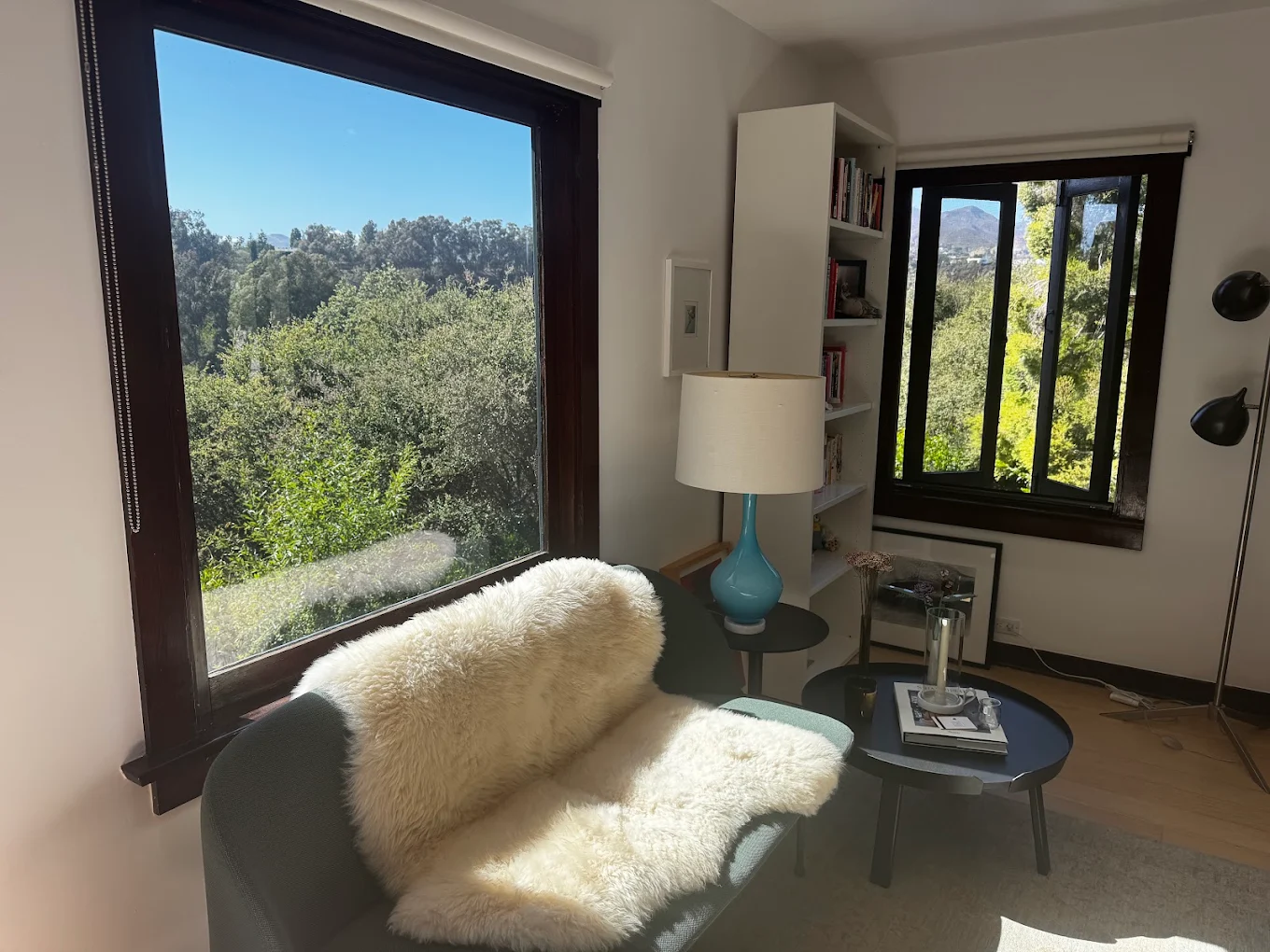
Film raises the temperature of the glass it sits on, because some of the solar energy it stops is absorbed rather than reflected. On most single-pane residential glass that is not a problem. On insulated units, tinted glass and the laminated glass used in impact windows, the combination needs checking, because too much absorbed heat can stress the pane.
We identify the glass before we quote and compare it with the film maker's compatibility guidance. If a window maker limits its warranty when film is added, we tell you before you decide. On a home in Coconut Grove with a mix of original and replacement windows, that can mean two different films on two sides of the house.
Heat Control Window Film for Brickell, Edgewater and Aventura Condos
High-rise condos are where heat control film does the most visible work. A west-facing unit in Brickell or an east-facing unit in Edgewater can take direct sun across the whole living area for hours. Owners describe moving furniture out of the sun and keeping shades down all afternoon, which defeats the reason they bought a unit with a view.
Near-clear selective film is usually what the association approves and what the owner wants, since it reduces heat without darkening the room or changing the facade. Crews stay inside the unit, lay down drop cloths, and keep to the tower's contractor hours and elevator reservations. Aventura and Sunny Isles Beach towers on the ocean side follow the same process.
What Heat Control Film Does for Miami Homes
Cooler Sunny-Side Rooms With Heat Film
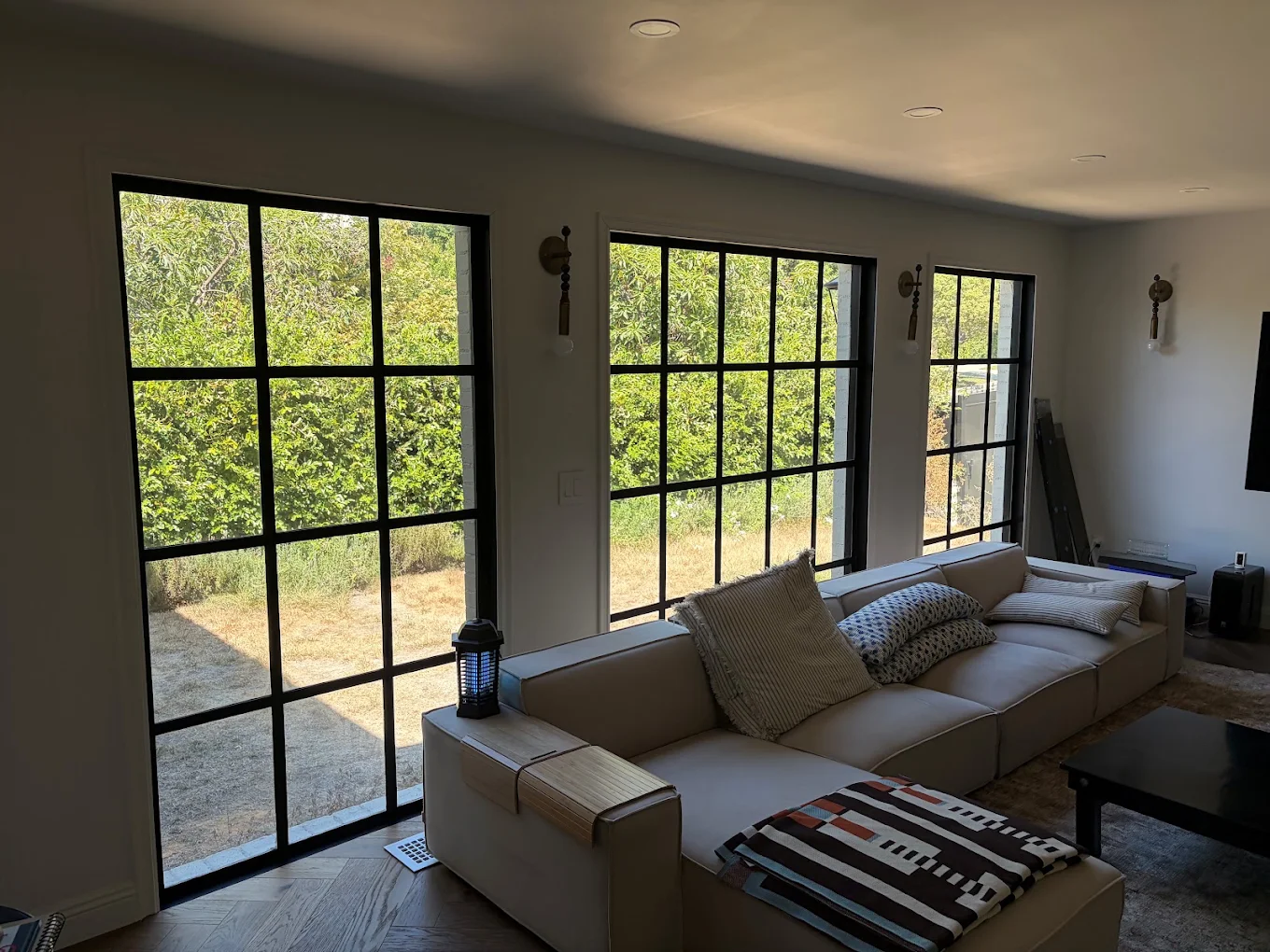
Rooms with west or east glass stay closer to the rest of the house in temperature, so the thermostat does not get turned down just to make one space bearable in the afternoon.
Lower AC Load From Window Heat Gain
With less solar energy passing the pane, the air conditioner has less to pull back out during a cooling season that runs most of the year, which shows up as shorter run times on bright days and steadier FPL bills.
Clear Views With Selective Heat Film
Spectrally selective film looks close to untreated glass, so bay, ocean, garden and pool views stay bright while much of the infrared heat is turned away before it reaches the room.
UV Blocking That Comes With Heat Film
Every heat control film we install also blocks nearly all ultraviolet light, which slows fading on floors, cabinets, rugs and furniture. You get fade protection along with the cooler room.
Miami Heat Control Film Questions
Is there a single heat rejection number for film on Miami windows?
No. Results depend on the film and the glass it goes on. Clear selective films turn away a useful share of solar heat, and darker or mirrored ones turn away more. Every product has published performance data, and we compare options on your own panes instead of quoting one figure for the whole house.
Will heat control film make my rooms darker?
Spectrally selective films change the light very little. Reflective and darker films reduce visible light more. You see the samples on your windows before choosing.
Can heat control film crack my windows?
Cracking from heat stress is uncommon when the product is listed for that type of pane. Insulated, tinted and laminated impact glass need the closest look, so we identify the glass before proposing a film.
Does heat film help in Miami's winter months?
Miami's dry season is still sunny and warm, so film keeps working. On the few cool mornings, low-E films also help hold indoor warmth, though heating is rarely the main concern here.
Will my condo board approve heat control film?
Most boards approve near-clear film that keeps the building's exterior looking uniform. We send spec sheets and samples so management can review before installation.
Window film quote
Heat Control Window Film Pricing for Miami Homes and Condos
Point us to the rooms that overheat, the hour it gets bad and the direction of the glass. Photos and rough sizes through the quote form are enough for a first price.
Prefer email? info@windowfilmmiami.pro