
Less sun in, less AC run time
Energy-Saving Window Film for Miami Homes
A Miami air conditioner works nearly all year, and the windows are a big part of the reason. Energy-saving window film cuts the solar heat that comes through the glass, so the system has less to remove on every sunny day.
 Miami
Why Windows Drive Cooling Costs in Miami Homes
Concrete block walls with stucco slow heat down well. Roofs get insulation and reflective coatings. Windows are usually the weakest part of the envelope, because sunlight passes through glass and turns into heat inside. In Miami, where the AC runs through most of the year and the summer adds heavy humidity, that solar gain is a large share of the cooling load on sunny days.
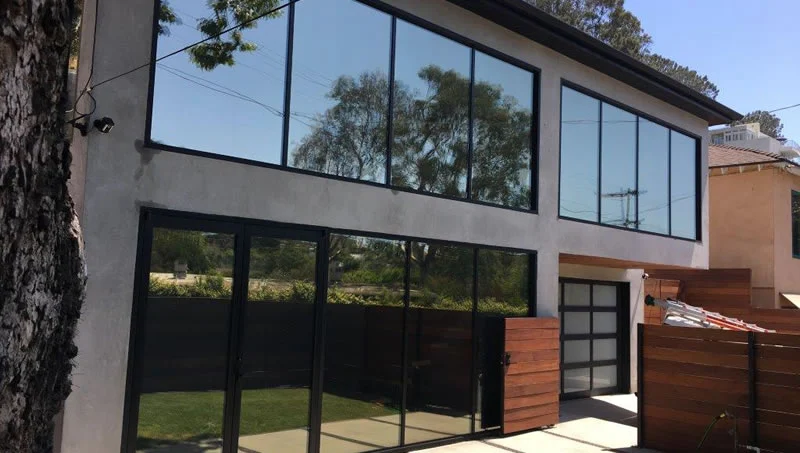
The effect is not even across the house. Glass facing west and east takes the most direct sun at low angles, and sliders and picture windows let in the most. One west wall of glass can drive the thermostat for the whole house. Reducing the heat on those panes is often the cheapest way to cut cooling load without replacing windows.
How Energy-Saving Window Film Reduces Solar Heat Gain
Energy-saving films reject part of the incoming solar energy before it enters the room. Spectrally selective types go after the infrared portion and leave most daylight alone. Reflective films bounce more of the energy back out and look mirror-like from outside. Each product has published performance figures, including the solar heat gain coefficient and visible light transmission, that show how it performs on a given glass.
We pick the film based on the window's orientation, the glass type and how the room is used. Not every window needs the strongest film. A shaded north window may only need UV film, while a west slider needs real heat rejection. That approach keeps rooms bright and spends money where it makes a difference.
Energy-Saving Window Film and FPL Bills
Most of Miami-Dade buys electricity from FPL, and cooling is usually the largest part of a summer bill. Film cannot promise a specific dollar saving, because results depend on the house, the glass, the AC system, insulation and how the household sets the thermostat. Its dependable effect is less sun-driven heat through the treated panes, so the AC has less to fight on bright days.
The benefit is most noticeable in homes with a lot of glass on west or east walls, older single-pane windows, or condos with floor-to-ceiling glass. In those homes, film can also even out temperatures between rooms, so you stop over-cooling the whole house to make one sunny room comfortable.
- West and east walls with large glass areas
- Older single-pane aluminum windows
- Condos with floor-to-ceiling glass
- Florida rooms and enclosed porches
Energy-Saving Window Film vs. Replacing Miami Windows
New impact windows with low-E glass can improve energy performance and add storm protection, but they cost far more and require permits and product approvals. For homeowners not ready to replace windows, film is a way to cut solar heat now on the existing glass. It does not add any storm protection, and it does not replace the case for impact windows if that is your goal.
For homes that already have impact windows, film can still add solar control if the glass did not come with a strong coating. We check the existing glass and the window maker's warranty terms before recommending a film, because laminated glass needs a compatible product.
What Energy-Saving Film Does for Miami Homes
Lower Solar Heat Gain Through Windows
Part of the sun's energy is bounced or soaked up at the pane instead of warming the room, which trims the cooling load from the sunniest windows during a season that runs most of the year.
Shorter AC Run Times With Energy Film
With less heat coming through the glass, the air conditioner cycles less often during the afternoon peak, which eases wear on the system and helps keep electric bills steadier.
Even Temperatures Across the Home
Treating the hottest windows narrows the gap between sunny rooms and the rest of the house, so the thermostat can stay at a normal setting rather than being cranked down for one room.
Energy Film Without Replacing Windows
Film improves the existing glass in a day, without permits or construction. It is a practical step for homeowners who are not ready to replace windows or who rent.
Miami Energy Film Questions
How much can energy-saving film lower my FPL bill?
We will not quote a dollar figure, since savings hinge on the building, its glazing, the AC unit and household habits. Film lowers solar heat through the treated panes, and that lowers cooling demand when the sun is out. Houses with lots of west and east glass notice it most.
Does energy film make my home darker?
Selective films turn away heat while passing most daylight, so rooms stay bright. Mirrored and deeper shades cut more light. Samples of each go up on your own glass before you choose.
Is film worth it if I plan to replace windows later?
If replacement is years away, film can reduce heat now. If you plan to install impact windows soon, ask whether the new glass includes a solar coating before adding film.
Does energy film help on Miami's cooler days?
Miami's dry season is still mostly sunny, so solar control keeps helping. Low-E films also slow heat loss on the rare cool nights, though heating is a small concern here.
Window film quote
Energy-Saving Window Film Pricing in Miami
List the rooms that run hottest, which way their windows face and rough glass sizes. The quote form takes photos too, and we will answer with film options and a price.
Prefer email? info@windowfilmmiami.pro