
Window tinting in Miami
Miami Window Film for Office Towers, Storefronts and Homes
Miami Window Film Pros puts solar, glare, privacy and safety film on business and household glass all over Miami-Dade, from Brickell office floors and Wynwood galleries to Kendall ranch houses. In a city with no real winter, the glass fights the air conditioning twelve months a year.
Residential and commercial film · 20 neighborhoods and Miami-Dade cities served · Quotes by email
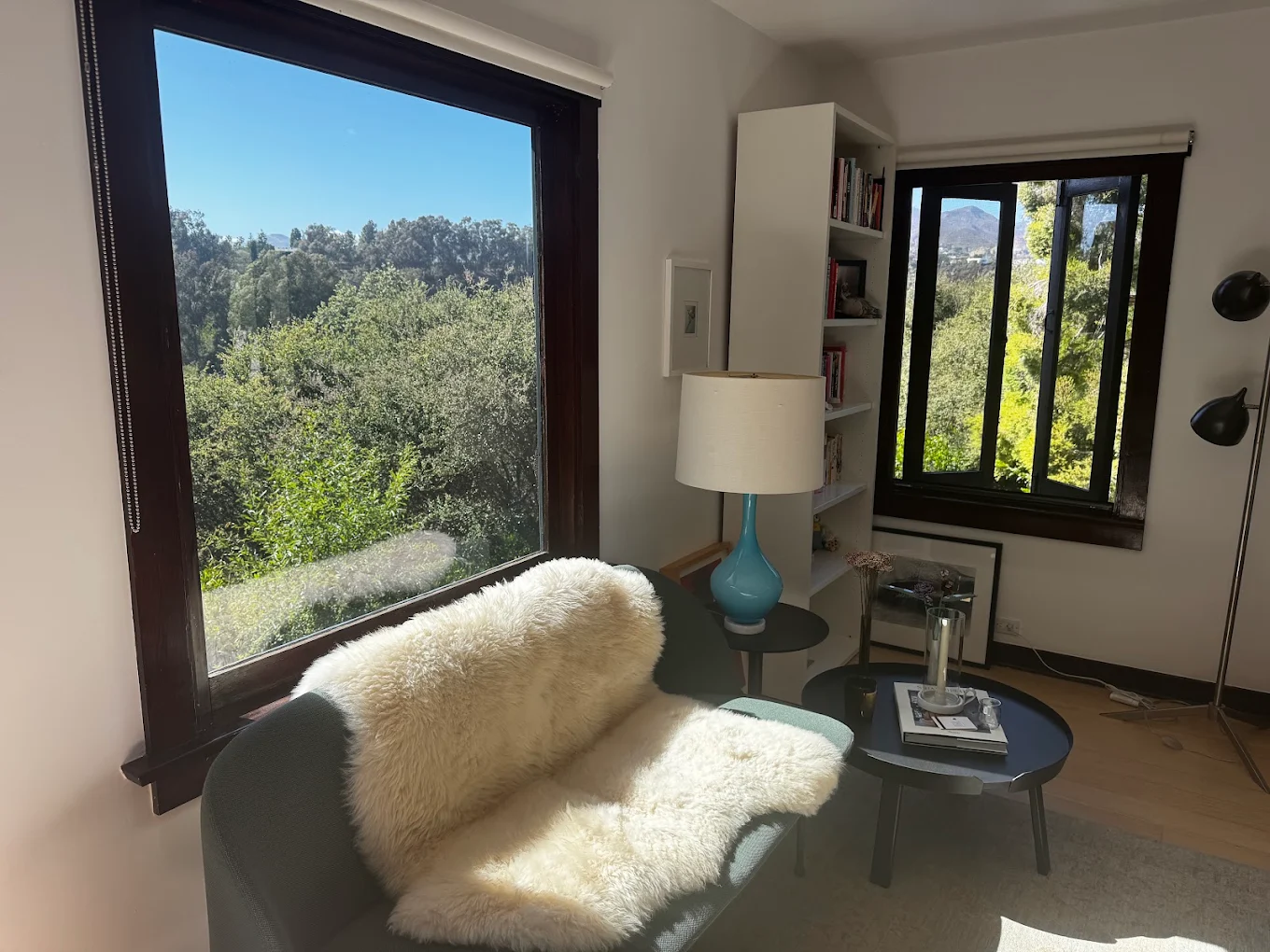
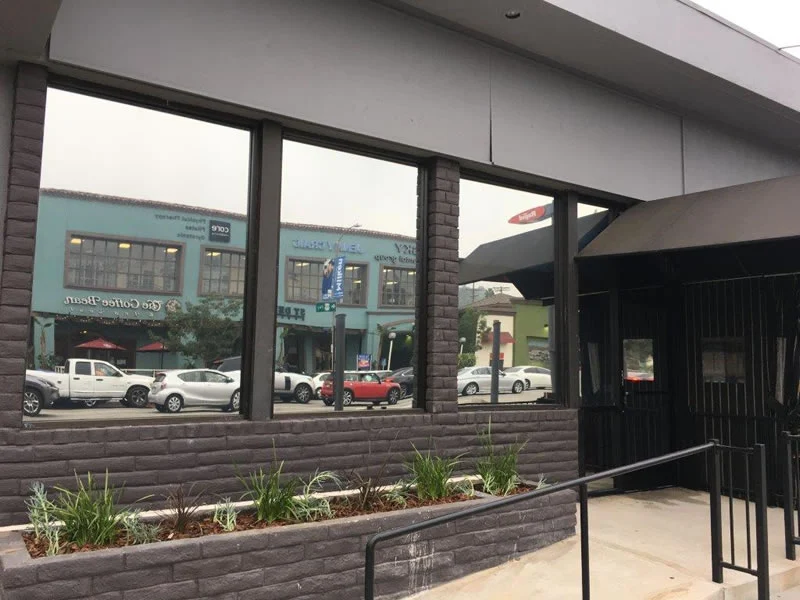
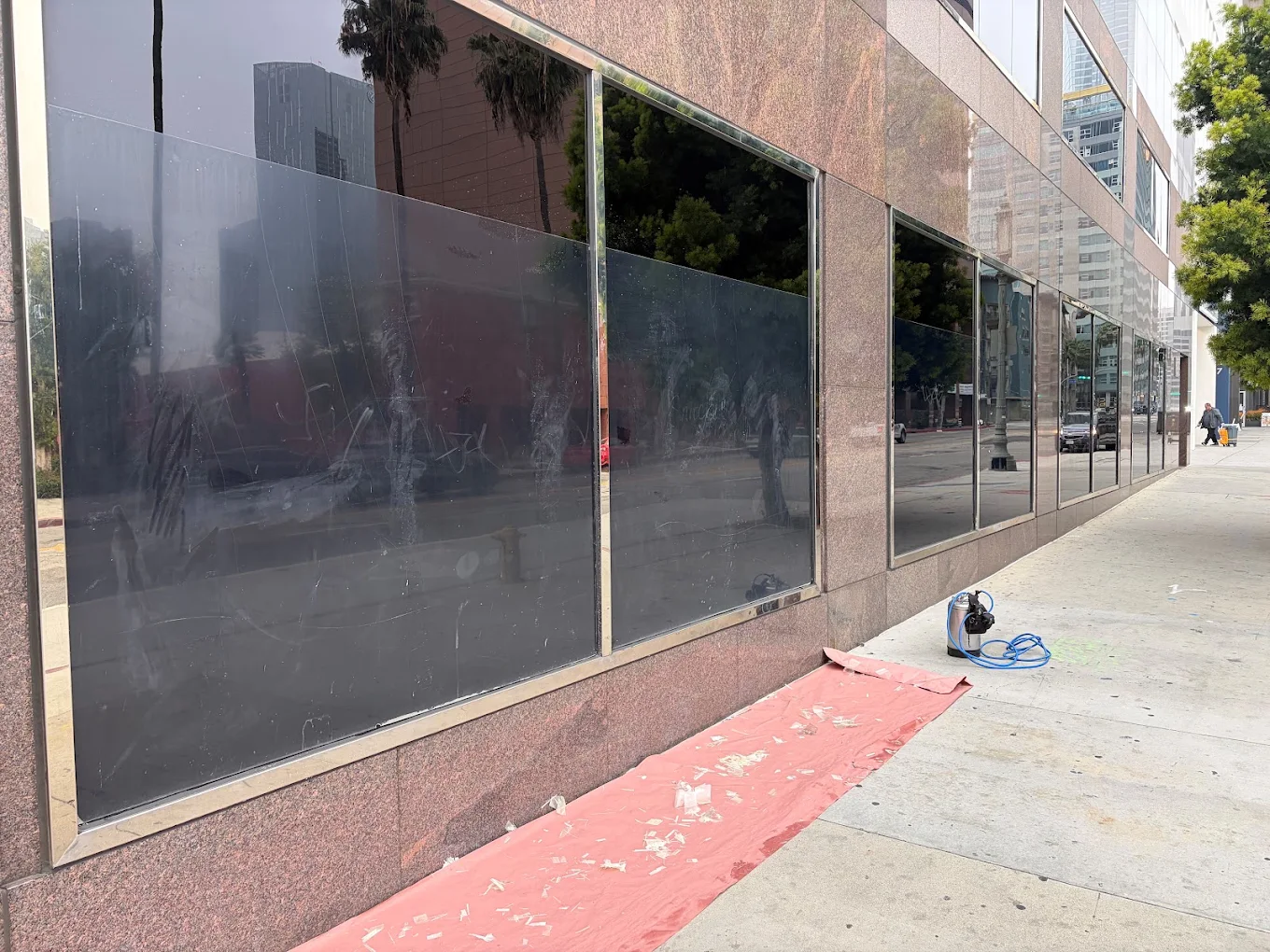
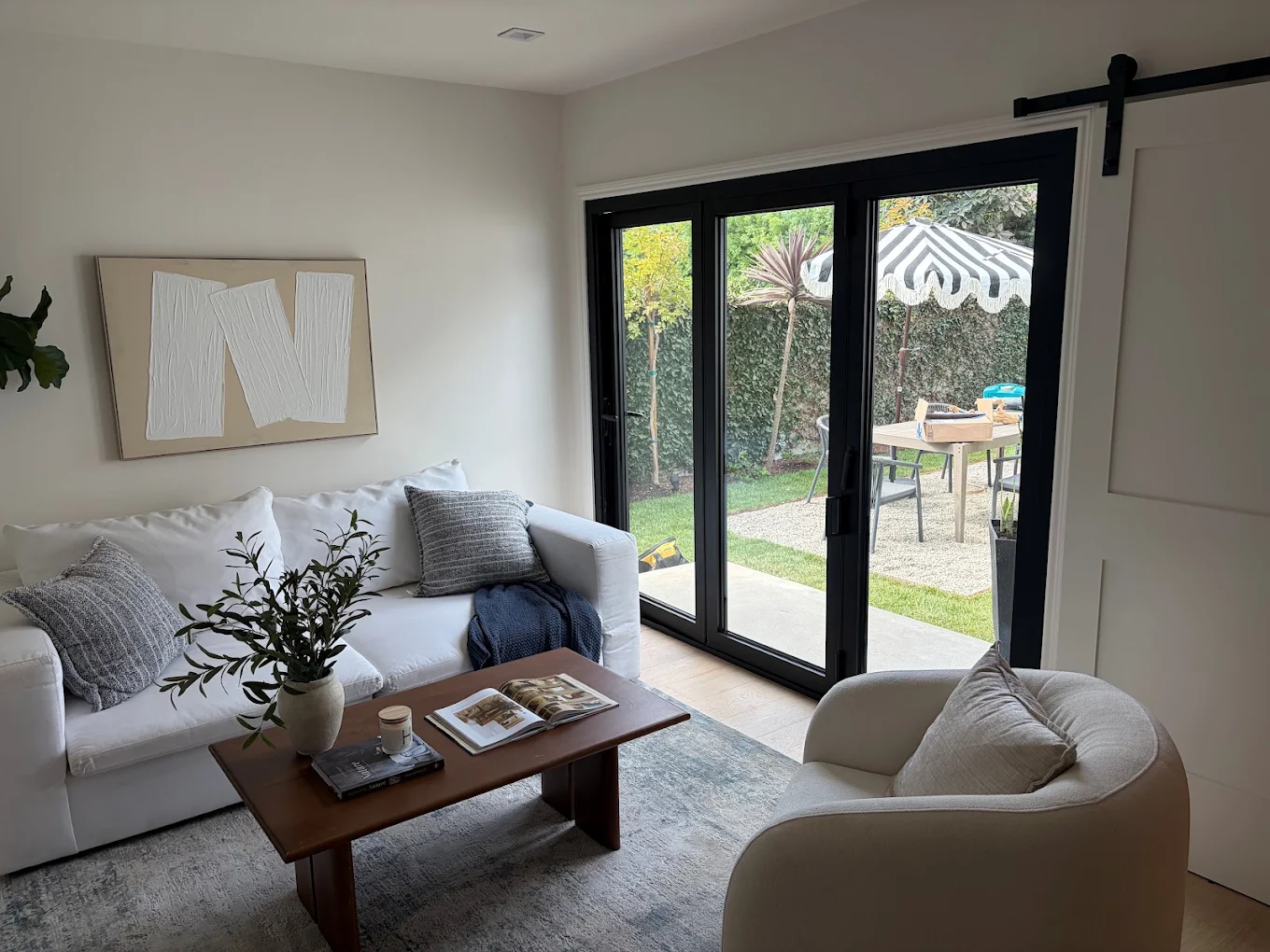
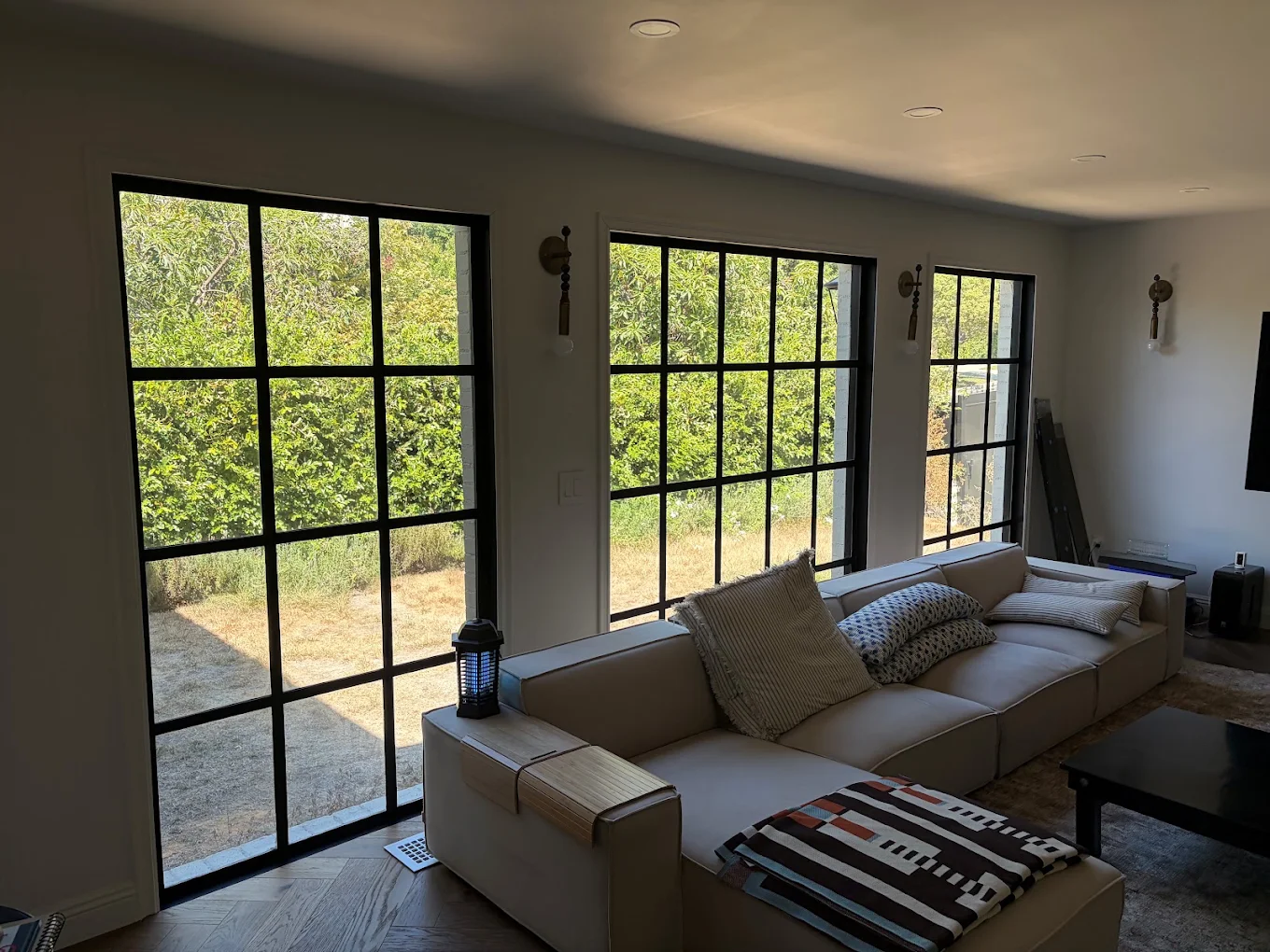
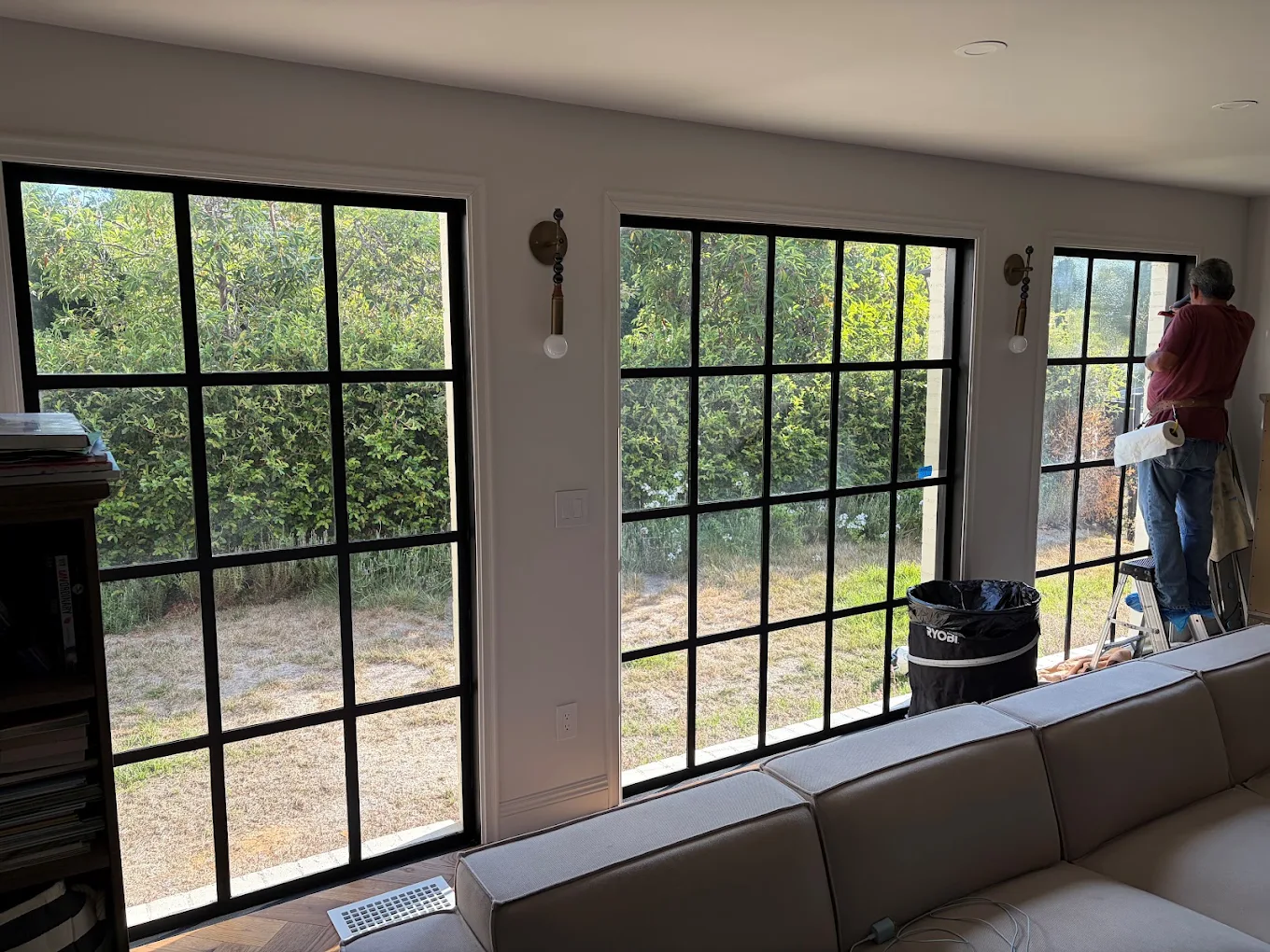
Window film in Miami
Why Window Film Matters in Miami's Year-Round Sun
Most American cities get a break from cooling for part of the year. Miami barely does. The dry season from roughly November to April is milder and less humid, but sunny afternoons still push indoor temperatures up on any glass that faces the sun. From May through October the wet season adds heavy humidity, so the air conditioning carries both heat and moisture for months on end.
Miami sits at about 26 degrees north, which changes how sun reaches a building. In summer the noon sun is almost straight overhead, so overhangs and balconies shade south glass well at midday. Mornings and late afternoons are the problem. The sun rises and sets well north of due east and west in those months, so even north-facing windows pick up direct light at the start and end of the day.
Film does its work right on the pane. Part of the incoming solar energy is reflected or absorbed before it can warm a floor or a desk, almost all ultraviolet is stopped, and glare drops. It cannot stand in for a healthy AC system or shade from trees and awnings. It narrows the gap between the sunny side of a building and the rest of it, which is where most comfort complaints start.
Typical upper ranges across residential and commercial film lines. Your numbers depend on the film and the glass, and we spec them before install.
Ask Which Film Fits →How Window Film Installation Works in Miami
Every quote starts with your windows, not a catalog. Here is how a Miami install runs from first email to finished glass.
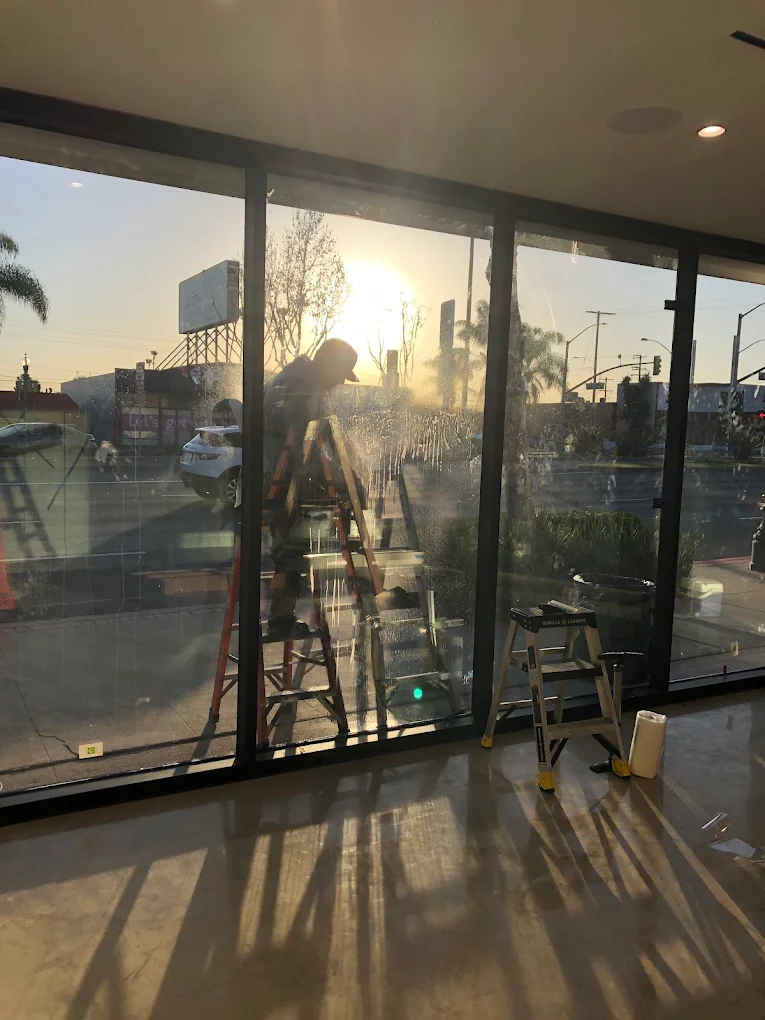
Send Window Sizes for a Miami Window Film Quote
List the windows, rough sizes and the direction each one faces on the quote form, and attach a few photos shot from inside. Tell us what bothers you and at what hour. Our email reply includes film options and a price range.
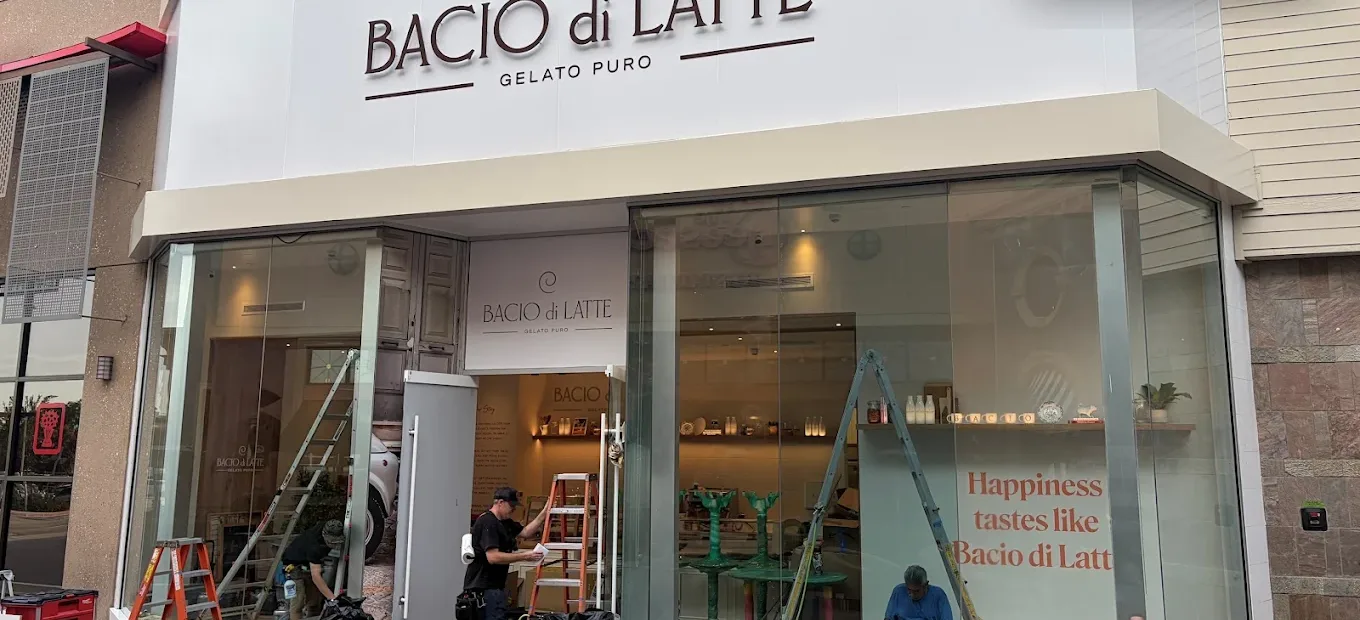
Glass Identification and Film Samples at Your Miami Property
On site we identify the glazing (single-pane, insulated, laminated or impact), look for failing seals, and put samples on the real glass. For towers we confirm the glass type with the building engineer before anything is ordered.
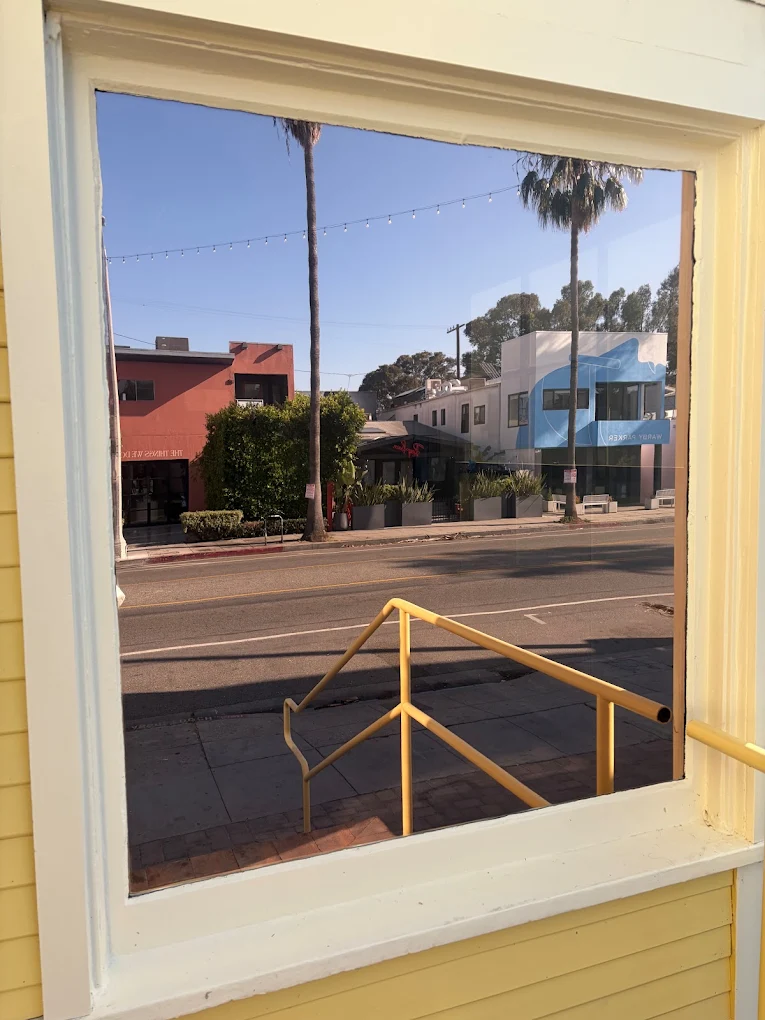
Window Tinting Installation in Homes and Buildings
Floors and sills get covered, every pane is cleaned, and the film is trimmed to the frame edge and pressed flat with a squeegee. A typical house is a one-day job. Office and retail work is split by floor or suite and often happens at night or on weekends.
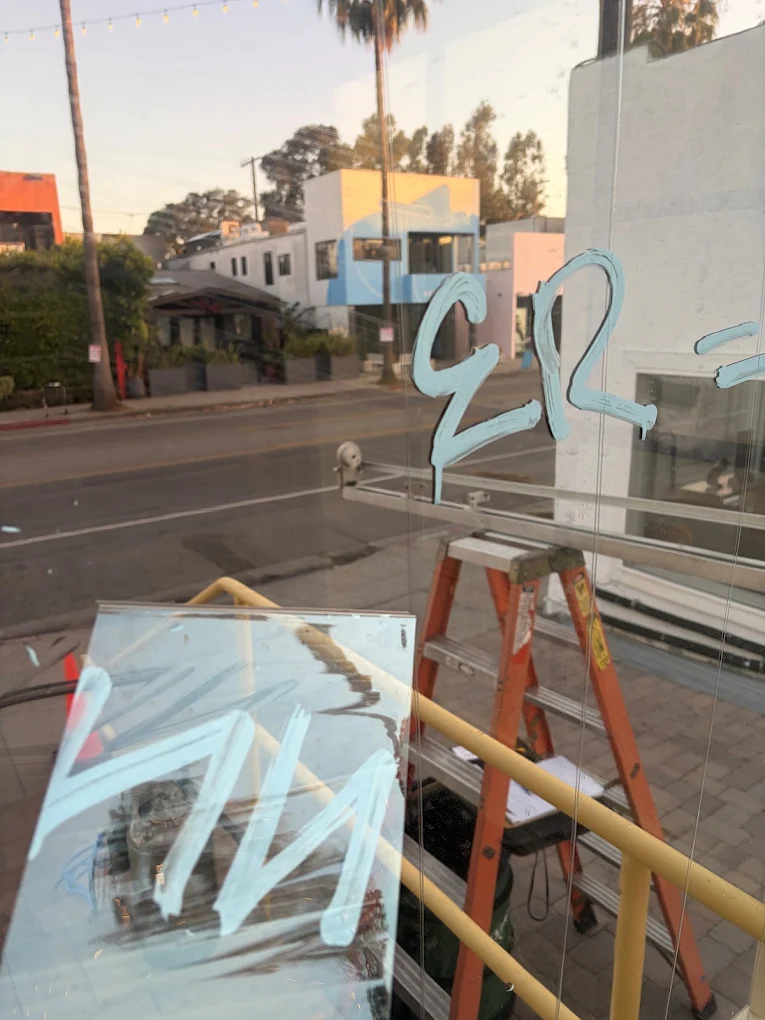
Window Film Curing in Miami Humidity
Leftover moisture under the film has to escape before it reaches full clarity. During the wet season a faint haze or small water pockets may linger a bit longer. Keep hands and cleaners off the glass until it has cured, then use a soft cloth.
Commercial Window Film for Brickell and Downtown Miami Towers
Most of our work is commercial. Brickell and Downtown Miami have one of the densest collections of glass towers in the country, and many of them are floor-to-ceiling glazing on every side. Office tenants deal with hot perimeter desks and washed-out monitors. Condo owners on the same streets deal with living rooms that feel like greenhouses by mid-afternoon.
Tower glass is rarely simple. Many buildings use tinted, reflective or laminated insulated units, and recent construction in Miami-Dade often has impact-rated glass. Each type limits which films can go on it safely, because the wrong film can raise the temperature of the pane and stress it. We confirm the glazing with the building engineer or the window documentation, then propose film that management and the association can approve.
Outside the core, the commercial mix keeps going: medical offices near the Health District, retail along Biscayne Boulevard and Calle Ocho, warehouses and logistics offices in Doral and Hialeah, schools, hotels and county buildings. Each has its own schedule, approval chain and reason for wanting film.
Storefront and Gallery Window Film From Wynwood to the Design District
Miami retail lives behind glass. Design District boutiques, Wynwood galleries, Lincoln Road shops and Coral Gables storefronts on Miracle Mile all rely on display windows that sit in strong sun. Merchandise and artwork near the glass fade, staff work in heat by the front door, and point-of-sale screens become hard to read when the afternoon sun swings around.
Clear UV and light solar films slow fading while keeping the display easy to see from the sidewalk. Anti-graffiti film protects glass from scratched tags, a real issue on busy streets. Decorative film handles branding, privacy for back rooms and fitting areas, and seasonal changes, then peels off clean when a tenant moves out.
Hurricane Season and Security Window Film in Miami
Hurricane season runs from June 1 to November 30, and after Hurricane Andrew in 1992 Miami-Dade adopted some of the strictest building requirements in the country. Openings in the county's High-Velocity Hurricane Zone are protected with impact windows or shutters that carry product approval. Window film is not part of that system. Ordinary glass with film on it is still ordinary glass in the eyes of the code, and the shutters or impact units remain the storm plan.
What security film does is hold broken glass together. A thick film bonds to the pane, so when the glass cracks the pieces tend to stay attached to the film instead of scattering across a room. That reduces flying shards from a thrown rock, a break-in attempt or debris, and it can slow someone trying to get through a door or storefront. We describe it that way on every quote, and we never sell it as storm protection.
Miami service areas
Window Film Service Areas Across Miami-Dade
We work in the City of Miami's core neighborhoods: Brickell, Downtown, Edgewater, Wynwood, Midtown, the Design District, Allapattah, Little Havana and Coconut Grove. We also cover Miami Beach, Key Biscayne, Sunny Isles Beach, Aventura and North Miami to the east and north, Coral Gables, South Miami, Pinecrest and Kendall to the south, and Doral and Hialeah to the west. Each area page covers the buildings and sun exposure typical of that part of the county.
Questions Miami Owners Ask About Window Film and Tinting
What does window tinting cost for a Miami condo or office?
The number comes from the film you pick, the square footage, the count of individual panes and the access. A Brickell condo wall of large panes goes faster per foot than a Coral Gables house full of small divided windows, and a two-story atrium needs lifts. Photos and sizes get you a real figure.
Is window film hurricane protection?
No. Film gives glass no impact rating, and Miami-Dade's rules for protecting openings are met with approved shutters or impact windows, not film. Safety film does make a broken pane hang together and cuts down on flying shards, which is a separate benefit.
Can window film go on impact glass?
Often, yes, but impact windows use laminated glass and the film has to be compatible with it. Some window makers limit their warranty when film is added. We identify the glass and check the film maker's guidance before recommending a product.
Will window tinting make my Miami condo dark?
Only if you ask for a dark film. Spectrally selective products turn away much of the heat while looking nearly clear, so bay and ocean views stay bright. Darker shades cut more glare. You will see both on your own glass before deciding.
Will my condo association allow window film?
Most Miami associations accept interior film that leaves the facade looking unchanged, though nearly all want to see it first. We hand the board or management office a spec sheet and a sample to review.
How long does window film last in Miami sun?
Interior film on home and office glass usually lasts many years, and the film maker's warranty states the term. Exterior films face sun, rain and salt air directly and wear out sooner. Ammonia-free cleaner and soft cloths help any film age well.
How many days does new film need to cure in Miami?
Usually several days to a few weeks. Humid, cloudy stretches in the wet season slow it down, and sunny weather speeds it up. A slight haze or small water spots during curing are normal and clear without help.
Window film quote
Miami Window Film and Tinting Quotes
Fill in the quote form with approximate measurements, a handful of photos and the spaces that need help. Or write to info@windowfilmmiami.pro, and an installer will answer with film choices and pricing.
Prefer email? info@windowfilmmiami.pro